Podcast episode
October 17, 2026
Episode 223: Early Islamic ‘Mahdism’: Radical Politics, Apocalyptic, and the Esoteric
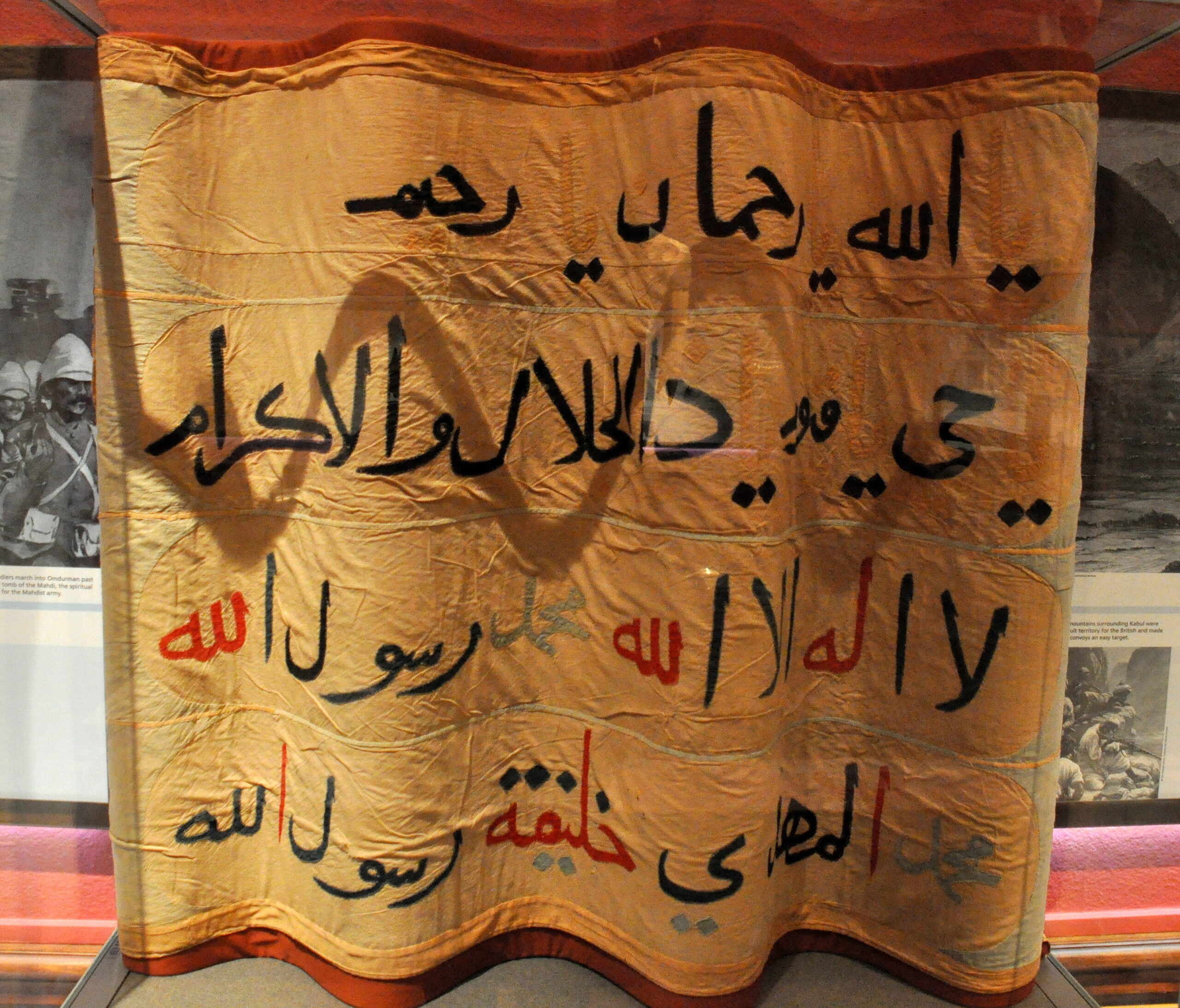
We explore the mahdī, the rightly-guided one, whose presence in Islām is one of a promised deliverer who will (re)establish justice and a divinely-guided state rule in the events leading up to the final Hour. We locate the origin of this figure in the early shiite so-called ghulāt movements, discuss its evolution into other forms of Islamic eschatology, and look at a few of the many mahdīs of history from the Kaysaniyya of the eighth century to the nineteenth-century Sudan, with many claimants in-between. Along the way some very esoteric mahdī-related ideas are discussed.
Works Cited in this Episode:
Primary:
Qur’ān:
The New Testament on the kingdom of heaven’s imminence: Matt 16:28, Mark 9, Luke 97. Cf. Matt 4:17, 10:7; Mark 1:15.
Secondary:
Jan-Olaf Blichfeldt. Early Mahdism: Politics and Religion in the Formative Period of Islam. Number 2 in Studia Orientalia Lundensia. Brill, Leiden, 1985; we quote p. 13.
J. J. Collins. Introduction: Towards the Morphology of a Genre. Semeia, 14:1–20, 1979.
Fred M. Donner. Muhammad and the Believers: At the Origins of Islam. Harvard University Press, Cambridge, MA/London, 2010; we quote p. 212.
Franz Rosenthal. The Muqaddimah: An Introduction to History, 3 vols. Routledge & Kegan Paul, London, 2nd ed. edition, 1967.
Abdulaziz Abdulhussein Sachedina. Islamic Messianism: The Idea of Mahdī in Twelver Shī’ism. State University of New York Press, Albany, 1981; we quote p. 9.
Oswald Spengler. Der Untergang des Abendlandes: Gestalt und Werklichkeit. C.H. Beck, München, 1918.
Recommended Reading:
SHWEP Episode Roots of Mahdism Recommended Reading
Themes
Apocalyptic, Astrology, Eschatology, Fatimid Khalifate, Ghulāt, Islamic Esotericism, Jacob Frank, Lurianic Kabbala, Messianism, Pseudo-Methodios, Sabbatai Tzvi, Sacred Kingship, Shi‘ī Esotericism

Comments
Comments are open to SHWEP members only
Join now to comment
Already a member? Log in here