Podcast episode
November 27, 2026
Episode 225: ‘Most Venerated among the Scholars and the Common People’: Introducing Ja‘far al-Ṣādiq
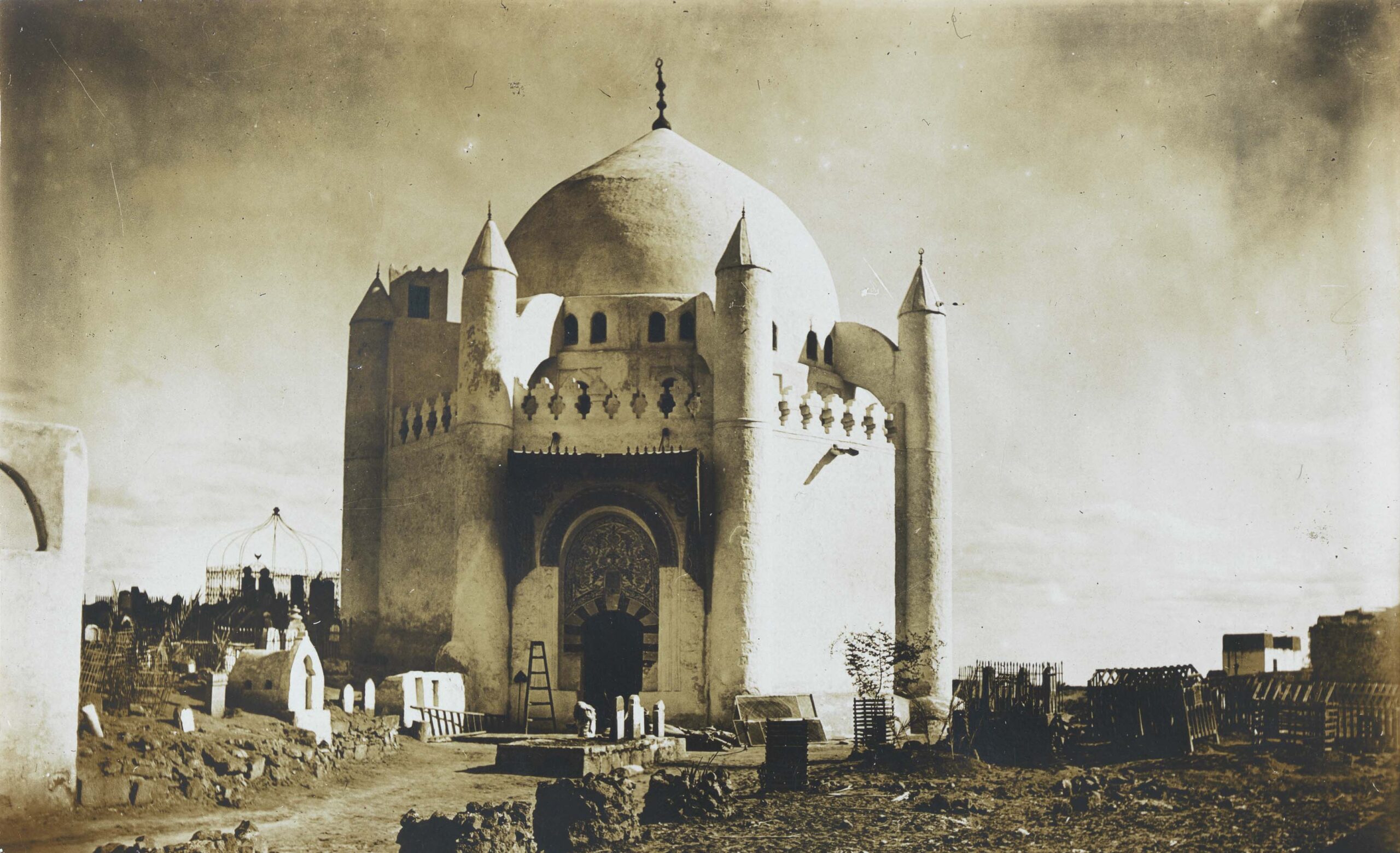
[The above image is courtesy of wikipedia]
Writing about the shī‘ī imam Ja‘far al-Ṣādiq, the imamī divine al-Shaykh al-Mufīd (d. 413/1022) describes him as,
the cleverest, the greatest in stature, and the most venerated among the scholars and the common people. People took from him so much knowledge that men conveyed it to remote areas. He was known in all parts of the Islamic homeland. No other member of the Ahl al-Bayt was also remembered and praised by the historians and biographers as he was. Nor did the historians ever quantitatively report from anyone as they did from Abū ‘Abdallāh.
(Shaykh al-Mufid, Kitāb al-Irshād: The Book of Guidance into the Twelve Imams, translated by I.K.A. Howard: New York, 1981, p. 270).
This is no exaggeration; Ja‘far, from his base at Medina, exerted a profound influence on the rapidly-developing Islamic disciplines of hadīth-scholarship, jurisprudence (probably), and theological doctrine from the middle of the eighth century CE until his death in 765 CE. And this influence was felt well-beyond the confines of shī‘ī Islam; he remains profoundly respected on these matters among Sunnis as well.
But there is another Ja‘far, an expert in recondite, inspired wisdom, esoteric hermeneutics, alchemy and divination, and a host of even more esoteric subjects. The degree to which this second Ja‘far is the same person as the first, more historically-attested scholar is open to debate. In this episode we discuss the problems with making that identification, and go into what we can reliably say about the great imam. In the next episode, Part II, we delve into the esoteric side of Ja‘far as the tradition sees him, regardless of who actually said what in the eighth and ninth centuries.
Many Bibliographies to Follow
Themes
Alphanumeric Speculation, Ghulāt, Islamicate Alchemy, Isma‘ilism, Ithna`asharī Shī`ī, Ja‘far al-Ṣādiq, Jābir ibn Ḥayyān, Jahm ibn Safwān, Metempsychosis, Mu'tazila, Shī‘ī Esotericism


Comments
Comments are open to SHWEP members only
Join now to comment
Already a member? Log in here