Oddcast episode
May 22, 2026
William Gallois on the Amuletic Qayrawān in the Colonial Era
[Another SHWEP field-recording]
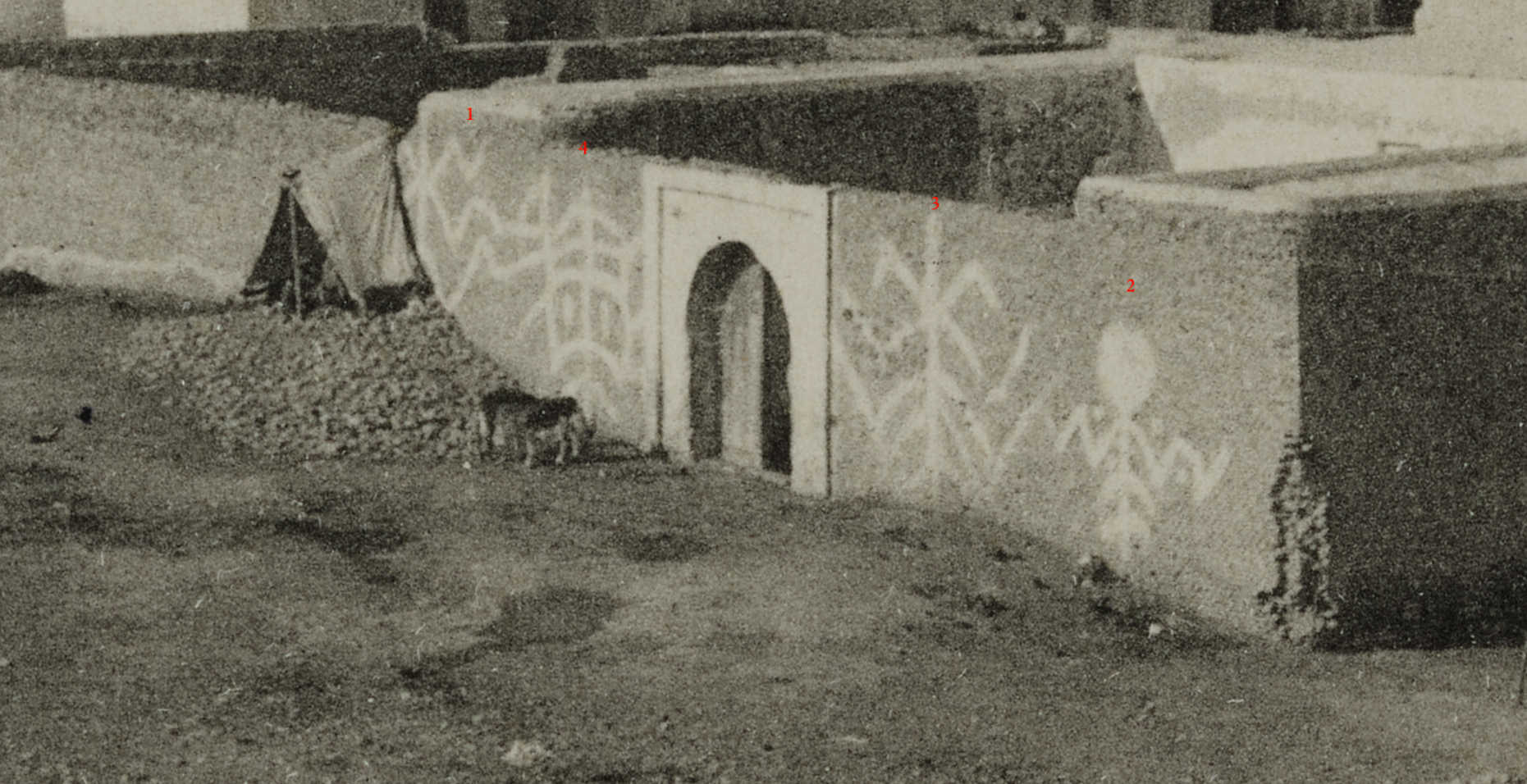
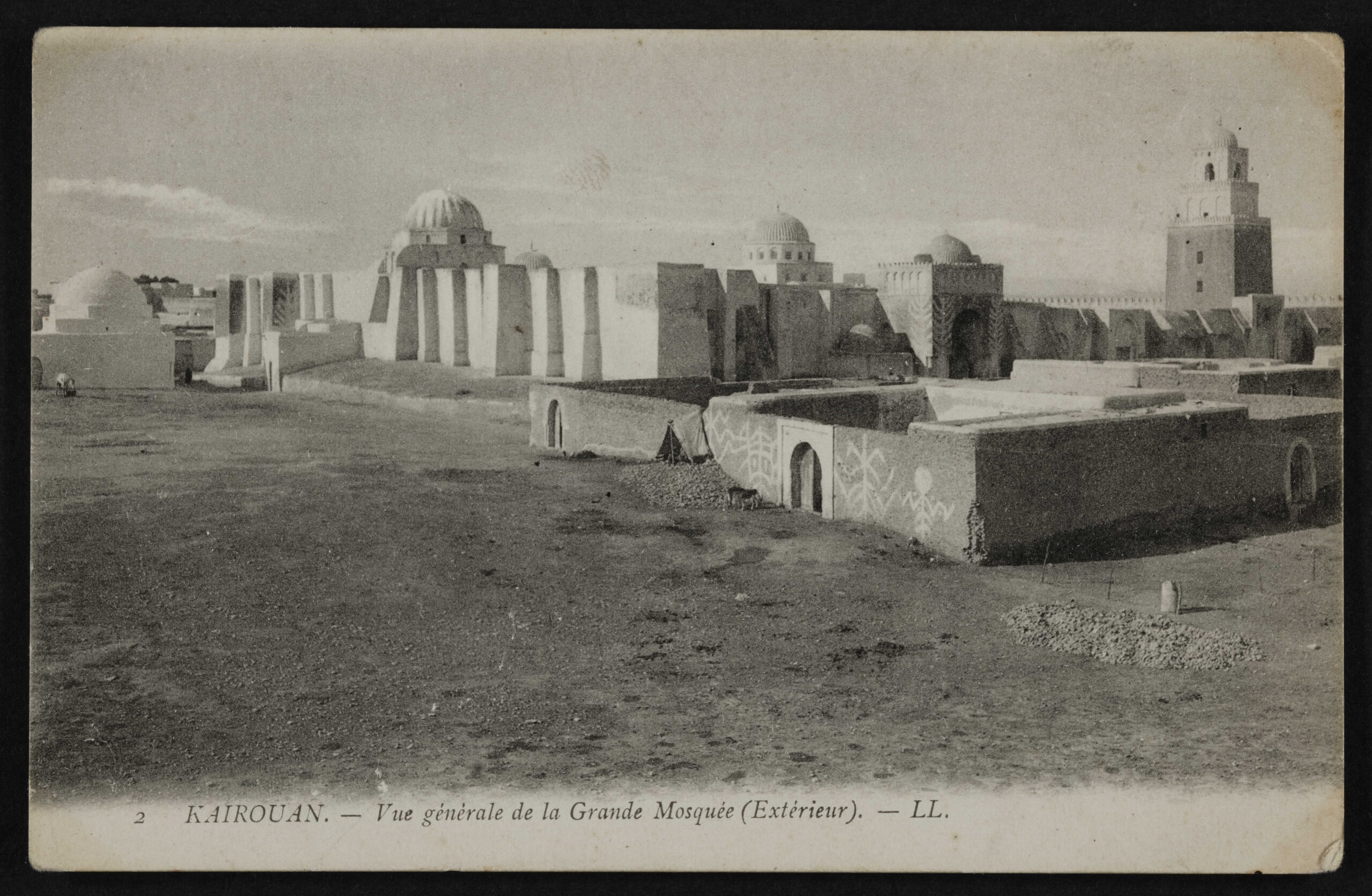
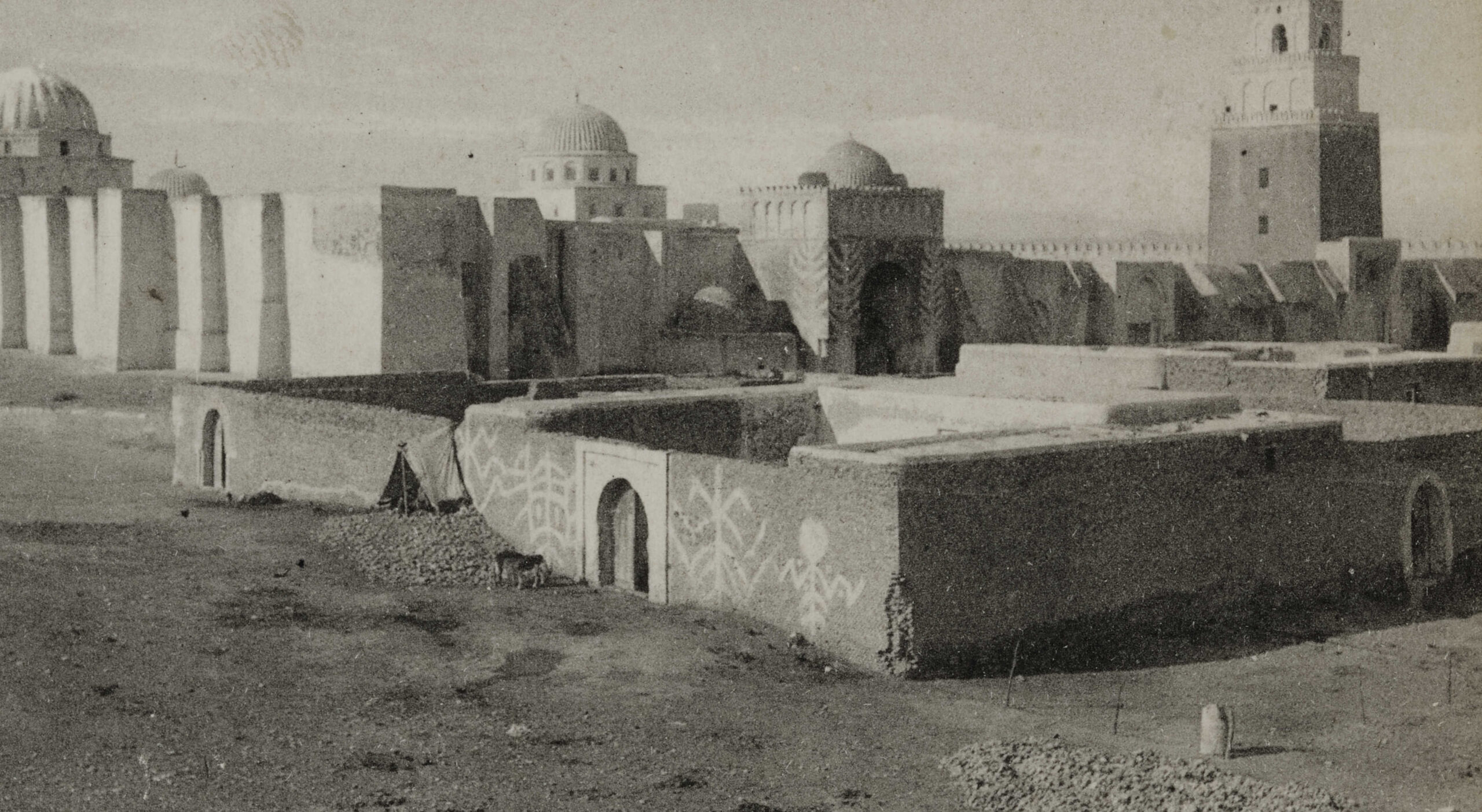
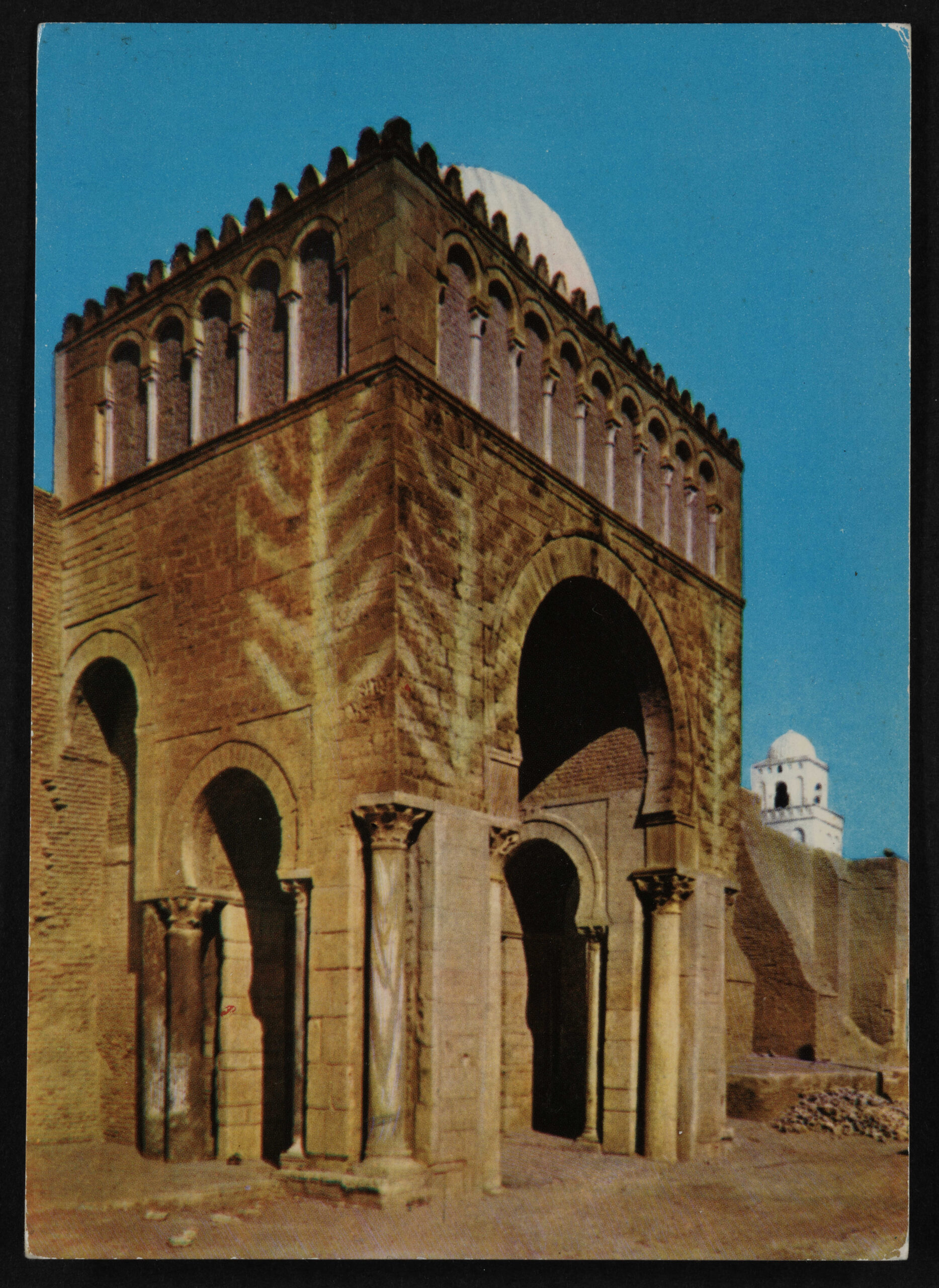
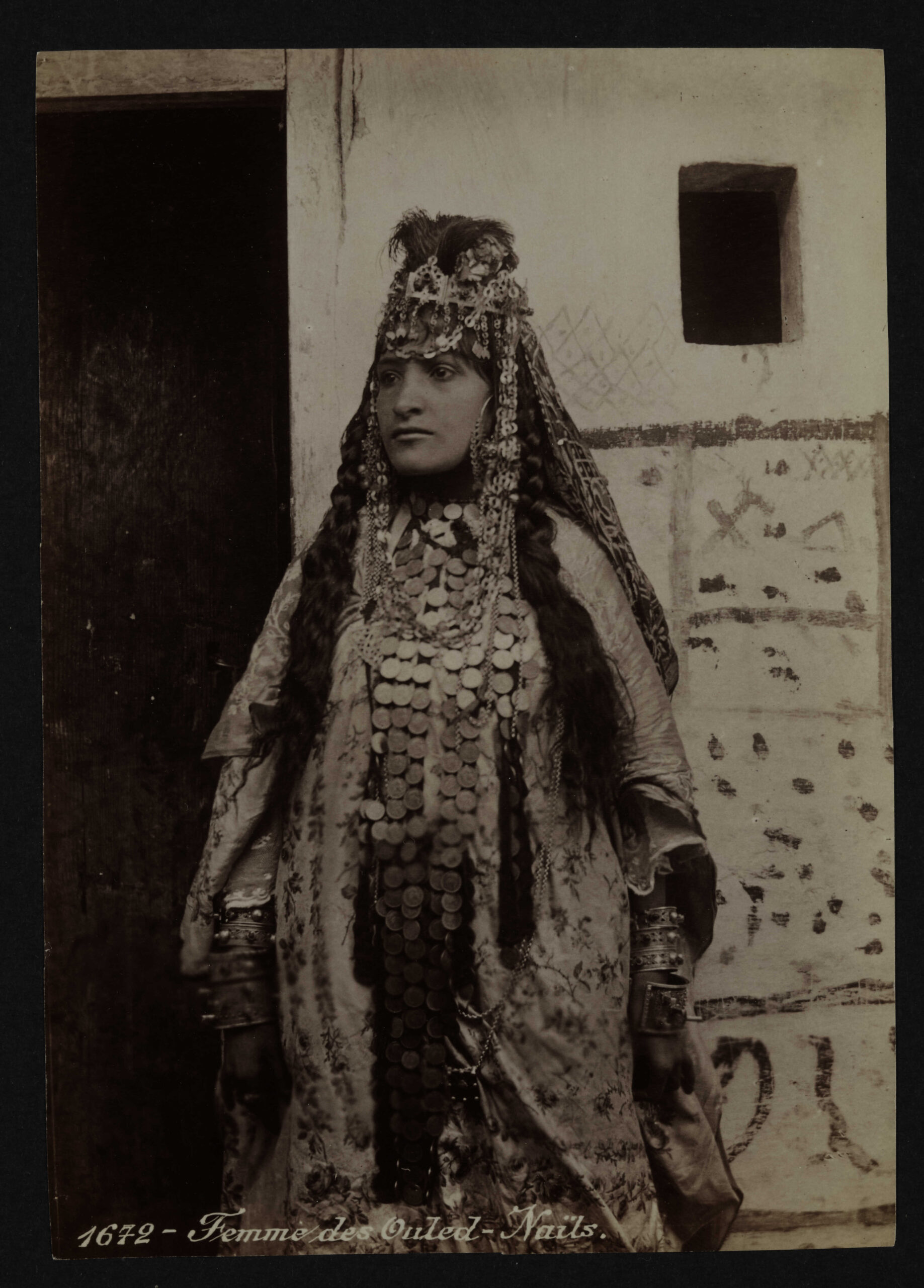
We speak with William Gallois about the findings in his recent book Qayrawan – The Amuletic City. He argues there that the rather strange, large-scale paintings seen in the backgrounds of a huge number of photographs from the colonial period in north Africa were intended as a form of anti-colonial amuletic intervention. The thesis is pretty bold, but he makes his case well; listeners would do well to contemplate these images and think whether another explanation does a better job of explaining their presence, hitherto-unnoticed, in the backdrop to everyday life in French colonial Africa. Do check out the gallery of images below, all courtesy of William Gallois, and check out his book as well.
 Interview Bio:
William Gallois is Professor of the Islamic Mediterranean and Director of the Institute of Arab and Islamic Studies at the University of Exeter. His recent publications include a book entitled Qayrawan – The Amuletic City, published by Penn State University Press in 2024, and an essay called An Illumination of a Floating World which can be found in the American Historical Review or on Instagram @cendrillondefes.
Works Cited in this Episode:
Arjun Appadurai. The Colonial Backdrop. Afterimage, 24-5:4–7, 1997.
Finbarr Barry Flood. Picasso the Muslim: Or, How the Bilderverbot Became Modern (Part 1). Res. Anthropology and Aesthetics, 67-68:42–60, 2017a.
Finbarr Barry Flood. Frameworks of Islamic Art and Architectural History: Concepts, Approaches, and Historiographies. In Finbarr Barry Flood and Gülru Necipoğlu, editors, A Companion to Islamic Art and Architecture, volume 1, pages 2–56. Wiley-Blackwell, Hoboken, NJ, 2017b.
Finbarr Barry Flood. Technologies de dévotion dans les arts de l’Islam. Hazan/Louvre, Paris, 2019.
William Gallois. Qayrawan – The Amuletic City. Pennsylvania State University Press, University Park, PA, 2024.
Christiane Gruber. The Praiseworthy One: The Prophet Muhammad in Islamic Texts and Images. Indiana University Press, Bloomington, 2018.
David Roxburgh. Micrographia: Towards a Visual Logic of Persianate Painting. RES: Anthropology and Aesthetics, 43:12–30, 2003.
David Roxburgh. Visualising the Sites and Monuments of Islamic Pilgrimage. In Margaret S. Graves, editor, Architecture in Islamic Arts: Treasures of the Aga Khan Museum, pages 33–41. Aga Khan Trust for Culture, Geneva, 2011.
Stephen Sheehi. The Arab Imago: A Social History of Portrait Photography 1860-1910. Princeton University Press, Princeton, 2016.
Gallery:
Themes
Amulets, charaktērēs, Esoteric Architecture, Islam, Orientalism, Raḥmaniyya, Talismanic Cities, Tasawwuf

Comments
Comments are open to SHWEP members only
Join now to comment
Already a member? Log in here